
Laser "Toxic Gas Capture": Guoke Hanhai Builds a Hydrogen Sulfide Protection Barrier for Southwest Oil & Gas Field
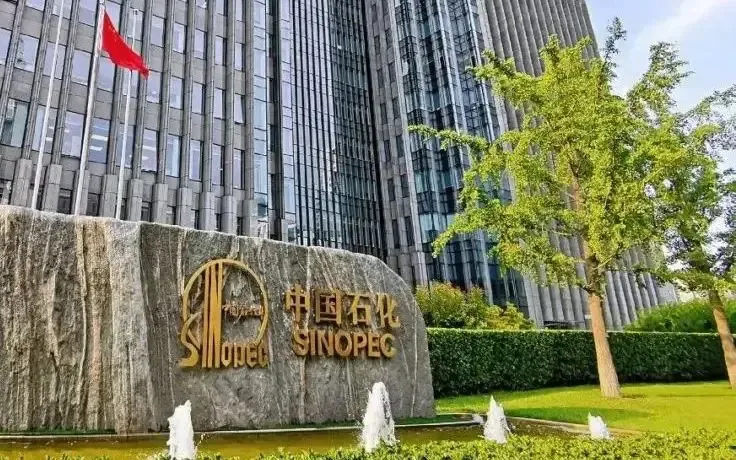
Traditional monitoring equipment frequently "fails" in high-concentration and highly corrosive environments, while Guoke Hanhai can build a solid safety defense line. At Sinopec Southwest Oil & Gas Field Guangyuan Natural Gas Purification Plant, there is such an "invisible killer" – hydrogen sulfide. The natural gas processed here has a hydrogen sulfide concentration as high as 50%, and even a trace leakage can be fatal if it occurs. Traditional monitoring equipment often "malfunctions" in high-concentration and highly corrosive environments, while Guoke Hanhai's laser monitoring technology, with its "piercing eyes", is building a solid safety defense line for this high-risk area.
01. Project Background: Why Hydrogen Sulfide Monitoring Needs a "Laser Revolution"
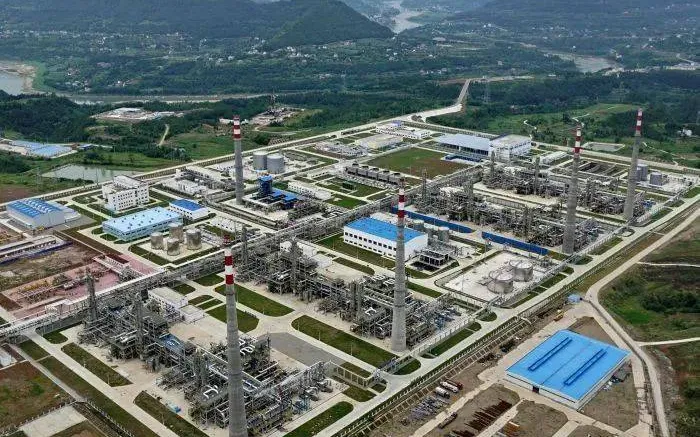
As a key site for processing high-sulfur natural gas, Guangyuan Natural Gas Purification Plant has long faced three major safety challenges:
Ultra-high concentration: Hydrogen sulfide accounts for 50% of the processed natural gas, with a pressure of about 80 kPa. The risk of pipeline corrosion is extremely high, and even minor leaks can lead to fatal consequences.
Shortcomings of traditional equipment: Chemical reaction-type and catalytic combustion-type monitors have low sensitivity, can only detect high-concentration leaks, are susceptible to interference from cross gases, and have a high false alarm rate. A large amount of manpower and material resources are consumed annually just for maintenance and calibration.
Delayed early warning: In the open plant area, traditional equipment often fails to alarm until a large amount of gas diffuses, leaving very little time for disposal and seriously endangering the lives of employees.
In accordance with Sinopec Group's requirements for intelligent and green development, there is an urgent need for a monitoring system that can accurately capture micro-leaks and cover a wide range of areas. Guoke Hanhai's TDLAS laser technology has become the key to solving this problem.
02. Technical Solution: 6 Laser Devices Weave an "All-Coverage Toxic Gas Protection Network"
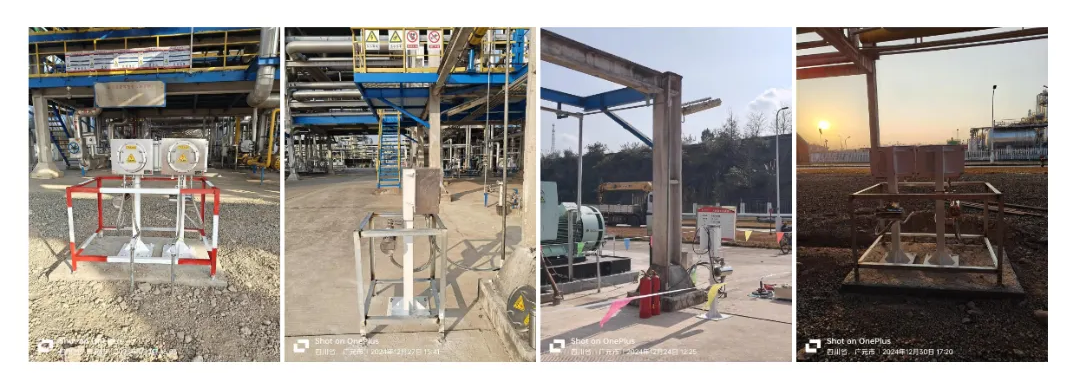
Targeting the risk characteristics of the purification plant, Guoke Hanhai deployed 6 sets of fixed reflective laser gas telemetry instruments to build a comprehensive hydrogen sulfide monitoring network:
Targeted Coverage of High-Risk Areas
In leakage-prone areas such as the desulfurization unit and sulfur recovery unit of the No. 1 Joint Plant, laser devices are installed in pairs to form a 100-meter-long monitoring optical path. For example, pipeline interfaces in the desulfurization unit and valves of the sulfur recovery tower are key monitoring points – these places are most prone to leakage due to medium corrosion and frequent operations.
Laser "Fingerprint Recognition" Technology Breaks the Dilemma
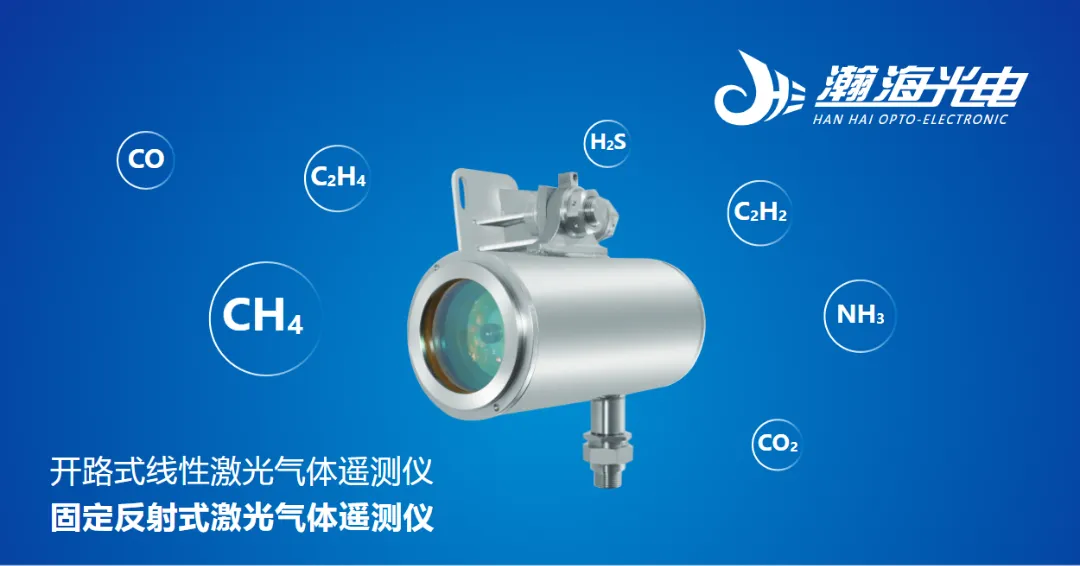
Hydrogen sulfide molecules have a unique spectral "fingerprint". The specific wavelength laser emitted by the laser telemetry instrument will be accurately absorbed by hydrogen sulfide. By analyzing the absorption intensity, the concentration can be calculated, and even ppm-level micro-leaks cannot escape. More importantly, it is not interfered by other gases, fundamentally solving the problem of "rampant false alarms" of traditional equipment.
Millisecond-Level Response and Full-Link Data Connection
Real-time monitoring data of the equipment is transmitted to the background server via optical fibers, and the monitoring platform can intuitively display the concentration of each area. Once the concentration exceeds the standard, an acousto-optic alarm can be triggered within 1 second, and the leakage location is synchronously displayed on the large screen. The entire process from detection to alarm is faster than a human blink, gaining valuable time for emergency disposal.
03. Practical Value: From "Passive Response" to "Active Prevention and Control"
The commissioning of this laser monitoring system has brought qualitative changes to the purification plant:
Earlier warning: Traditional equipment only alarms when the hydrogen sulfide concentration reaches tens of ppm, while the laser system can capture it at the ppm level, realizing "early warning of early leakage". For example, after an overhaul of the desulfurization unit, the system detected a micro-leak at a flange interface, and timely disposal avoided the expansion of corrosion.
Wider coverage: A single set of equipment has a monitoring distance of 100 meters, and 6 devices form a collaborative network, eliminating the blind spots of traditional point-type monitoring, and even covering hard-to-reach areas such as pipeline trenches and equipment tops.
Lower maintenance costs: Laser equipment does not require frequent calibration and has a service life of more than 10 years, which can reduce maintenance workload by 90% every year and lower the risk of shutdown caused by equipment replacement.
More importantly, it has transformed the safety management model from "putting out fires after accidents" to "precise prevention and control in advance", and employees no longer have to take risks to conduct frequent inspections in high-risk areas.
04. Industry Significance: Setting a Safety Benchmark for High-Sulfur Gas Fields
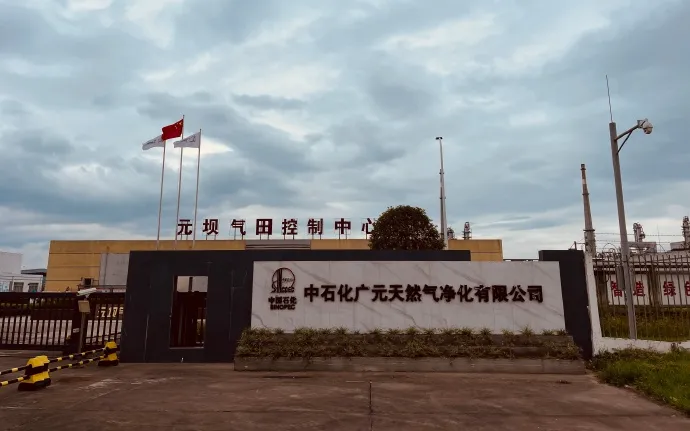
As a pilot project of Sinopec Group, the practice of Guangyuan Purification Plant has provided a replicable model for high-sulfur oil and gas field monitoring:
Technical demonstration: It proves that TDLAS laser technology can operate stably in high-concentration and highly corrosive environments, breaking the prejudice that "lasers are afraid of harsh environments".
Standard upgrading: It promotes the industry to move from "compliance with standards" to "intrinsic safety", providing practical support for the implementation of the "Code for Design of Detection and Alarm for Flammable and Toxic Gases in Petrochemical Industry".
Green collaboration: Precise control of leaks reduces hydrogen sulfide emissions, helping enterprises achieve a win-win situation between environmental protection and safety.
At present, the project has passed the acceptance of Sinopec Group and will be promoted across the group in the next step. Guoke Hanhai is also continuously upgrading its technology and plans to integrate artificial intelligence analysis to enable the system to predict leakage trends, moving from "early warning" to "prediction".
On the front line of oil and gas exploitation, every technological progress is narrowing the distance between "risk" and "safety". Guoke Hanhai has proved with laser technology that no matter how hidden the "toxin" is, it can be detected by the eyes of science and technology; no matter how severe the challenge is, it cannot stop the determination to protect life.